Tuesday, October 12, 2010

KOMODO ISLAND NATONAL PARK


Komodo is one of the 17,508 islands that make up the Republic of Indonesia. The island has a surface area of 390 km² and over 2000 inhabitants. The inhabitants of the island are descendants of former convicts who were exiled to the island and who have mixed themselves with the Bugis from Sulawesi. The population are primarily adherents of Islam but there are also Christian and Hindu minorities.
Komodo is part of the Lesser Sunda chain of islands and forms part of the Komodo National Park. Particularly notable here is the native Komodo dragon. In addition, the island is a popular destination for diving. Administratively, it is part of the East Nusa Tenggara province.
Komodo National Park includes three major islands: Komodo, Rinca and Padar, as well as numerous smaller islands creating a total surface area (marine and land) of 1817km (proposed extensions would bring the total surface area up to 2,321km2). As well as being home to the Komodo dragon, the Park provides refuge for many other notable terrestrial species such as the orange-footed scrub fowl, an endemic rat, and the Timor deer. Moreover, the Park includes one of the richest marine environments including coral reefs, mangroves, seagrass beds, seamounts, and semi-enclosed bays. These habitats harbor more than 1,000 species of fish, some 260 species of reef-building coral, and 70 species of sponges. Dugong, sharks, manta rays, at least 14 species of whales, dolphins, and sea turtles also make Komodo National Park their home.
The island is famous not only for its heritage of convicts but also for the unique fauna which roam it. The Komodo dragon, the world's largest living lizard, takes its name from the island. A type of monitor lizard, it inhabits Komodo and some of the smaller surrounding islands.
Visit New7Wonders to vote Komodo Islands for World New 7 Wonders.

Monday, October 11, 2010

Traveling to the Java Island and Bali Island

Full fill your holiday in Java Island or Bali Island with activities endeavors, there are a wealth of options to choose from. Fun, attractive and adventure tour activities such as romantic cruise, dolphin tour, diving traning, fishing and snorkeling, wind-surfing, jet ski, or get excite experience Bali surfing in bali beach ,for adventure white water rafting you have two choice with water rafting in Java Islands or in Bali Island so nice , or pump up the adrenaline with bungee jumping, sling shot. For those inclined to pursue land exploration would be excited with jungle trekking and mountain hiking through the undisturbed rain forest or bicycling over the Balinese traditional villages. It will be an amazing holiday to remember.


Java Island Mountain And Bali Island Mountain.
In the early morning we will drive you to the northern beach of Bali, to the beach resort of Lovina, by motorboat we go to see the attraction of the friendly dancing dolphins, welcoming the morning sun.
Balinese cremation ceremony performs to returns the body’s five elements of air, earth, fire, water, and space to the cosmos. The soul can then depart and find its new life ceremony will need some recruitments i.e. founds and holiday according this ceremony is a rare opportunity


the center of Balinese hand weaving and  Batik process. Then we will see numerous aspects of Balinese life, such as: Barong and Kris performance, the most famous & colorful dance in Bali which signifies an eternal fight between good and evil spirit at Batubulan, Gold and Silver works at Celuk, the traditional & modern oil painting at Batuan and the Temple, fine woodcarvings at Mas or Kemenuh.


Thursday, October 7, 2010

Ultimate in Diversity Booklet and Leaflet

A Pritable version of Ultimate in diversity Booklet and Leaflet. The leaflet contains a list of indonesian regions with short information for each of them. The Booklet contains more detailed information and description. This booklet and leaflet is distributed for free, feel free to reupload and copying them to your friends.

Download Booklet

Downbload Leaflet


...Source : http://www.indonesia.travel

Wednesday, October 6, 2010

Bunaken National Park


Bunaken is one of Indonesia's most famous diving and snorkeling areas and it draws visitors from all over the world. In addition to banana-shaped Bunaken Island itself, the 890 km2 of marine national park includes the neighboring islands of Manado Tua (a distinctive cone-shaped extinct volcano), Siladen, Montehagen, Nain, and Nain Kecil.

Some 20,000 local inhabitants make their living from the waters in the Bunaken National Marine Park, and this has inevitably led to some conflicts. By and large though, the co-operation between national and local government authorities, conservation groups, business owners and local communities has been very successful here. This has led many to cite Bunaken as a model example of how Indonesia should be preserving its natural marine treasures.

History

The Bunaken National Marine Park was formally established in 1991 and is among the first of Indonesia's growing system of marine parks. The park covers a total surface area of 89,065 hectares, 97% of which is overlain by sparkling clear, warm tropical water. The remaining 3% of the park is terrestrial, including the five islands of Bunaken, Manado Tua, Mantehage, Nain and Siladen. Although each of these islands has a special character, it is the aquatic ecosystem that attracts most naturalists.

Landscape

Mangroves on the east coast of Bunaken

Mangroves on the east coast of Bunaken

The park is famed for the clarity of its water (35m visibility is common in the summer dry season), the abundance of coral and fish, and for the precipitous "walls" at some sites. Bunaken Timur, right off the east coast of the island and featuring all of the above, is rated by many as the single best dive site in all Indonesia.

In places the water is extremely deep here - 1,500 metres plus.

Flora and fauna

Bunaken has a quite stunning biodiversity including:

  • No less than 70 different genera of coral
  • five species of sea turtle
  • an extraodinary range of fish - 70% of all fish species that exist in the Indo-Western Pacific Ocean are found here
  • white tip and black tip reef-sharks are common
  • wonderful resident dugongs
  • barracuda and t una make regular appearences from more pelagic waters
  • occasionally saltwate r crocodiles

Climate

Bunaken is barely

a degree above the equator and thus tropical. The wet season, from November to mid-April, brings frequent rains sometimes in storms lasting for several days which freshen the air nicely but also reduc

e marine visibility. The dry season is from May to October, when temperatures climb to a roasting 35° and visibility reaches a maximum.

Bunaken receives less rain than the north Sulawesi mainland and is well ventilated with sea breezes.

Get in

Bunaken is about 45 to 60 minutes by boat from Manado.

Most resorts will arrange transf

ers from the airport for their guests.

Alternatively, a

public boat leaves daily except Sundays at 2-3PM from the canal on the north side of Manado market. The cost is Rp 25,000 one way for tourists and Rp 10,000 for locals. It returns to Manado from the jetty in Bunaken village around 8 to 8:30AM every morning except on Sundays.

You can also charter a boat either way at anytime.

Fees/Perm

its

As of September 2008, entry to the park costs Rp 50,000 per day or Rp 150,000 per calendar year. Children below 10 years are exempt.

Even though the fee is not automatically levied upon entrance to the park, it is the responsibility of all visitors to pa

y it and reputable dive shops & resorts will always charge this to their guests. As proof of payment, you will receive a waterproof plastic tag that must be carried at all times. Spot checks are not uncommon by the patrol boats.

The park is man

aged by a multi-stakeholder board comprising of government and non-government members to include representatives of the 30,000 people who live within the boundaries of the park. Though deemed by some as not being transparent and lacking in effectiveness, the management board together with the water police have, over the years, been able to stop cyanide fishing, dynamite fishing and more recently participated in the release of 700 napoleon wrasse that had been illegally caught in an

d around the park. Though not perfect and certainly having room for improvement, the management board does have an important role in the conservation of the area and this could not happen without t

he support of all visitors in adhering to the purchase of the entrance tag.

Get around

Pathways connect the various settlements around Bunaken. Many are effectively impassable after rain.

Ojeks are the motorised from of transport around the island but visitors are encouraged to walk.

Watch out if walking al

ong the coastline, as the beach may disappear when the high tide rolls in.

See

Tourism on Bunaken has been very much geared towards serious divers over the years but the trend seems to be changing. More and more casual snorkelers are visiting the area as are those who wish to just relax i

mmersed in nature. Possible activities for landlubbers include:

  • Beach-combing, especially at low tide when the reef top is accessible.
  • Hiking to some of the secluded coves on the eastern and northern part of the island. Trails are poorly marked.
  • Fishing , but only outside of the park boundaries. Hire a boat or join one of the local fishermen.
  • Dolphin & Whale watching, either on diveboat trips or by hiring a boat privately.

Do

The thing to do in Bunaken is dive, dive and dive! However, the steep walls and occasionally strong, rapidly changing currents mean that many sites cater more to the intermediate/advanced diver. There are beginner-friendly sites too and all dive shops can arrange introduction dives and Open Water Dive courses.

The North Sulawesi Watersport

s Association [2] offers oodles of detail on diving in the park.

All dive shops in the park are affiliated with resorts, so see below for listings.

Snorkeling is fantastic in front of many of the resorts around the island, with an incredible amount of marine life inhabiting the shallows. Remember not to snorkel without fins as the currents can sometimes be strong and change quickly even when they are not. Pick a reference point on the island and do not stray too far unless you are a very confident swimmer.

Buy

The Visitors Centre on Liang Beach sells handicrafts, t-shirts and general souvenirs.

Eat

Fish, fish and fish, usually at your dive resort.

Drink

There is no natural potable water on Bunaken. Insist on bottled water at all times and ensure that coffee and tea are is also made with bottled water.

The local spirit Cap Tikus (literally rat brand) is a distilled palm wine amd is actually quite nice on the rocks with a slice of lemon.

Bintang is the number 1 beer in Indonesia and is available cold at many of the resorts.

Sleep

Most visitors choose to sleep at their dive resort, almost all of which offer full board package offers. Accommodation on Pulau Bunaken is generally expensive for Indonesian standards as the majority of people coming here are on a short holiday trip. There are no budget options for backpackers.

Those resorts on the south and west sides of Bunaken Island are on a strip of coarse yellow sand beach whilst the frontage of those on the east side is a mixture of mangroves and small beaches.

Lodging

On Bunaken Island

  • Bastianos Dive Resort, +62 431 3325678, [3]. Full service dive resort.
  • Bunaken Cha Cha Nature Resort, +62 813 56930370, [4]. On the eastern side of Bunaken; 10 cottages all with en-suite bathrooms (hot water showers), large balconies, all superior cottages are equipped with A/C. Private white sand beach, "House Reef" with floating pontoon for snorkelers, massage treatments available. Restaurant above the beach, Wifi throughout the resort, PADI Dive Center. Skype: bunakenchacha. Packages start from US$75 per person/per night ; Accommodation & Dive Packages from US$165 per person/per night..
  • Bunaken SeaGarden Resort, (Pangalisang beach), +6281244738802, [5]. On a beautiful location at Pangalisang Beach, a small and cosy resort with spacious cottages built in a traditional style. All cottages have nice veranda and modern style bathrooms. Right in front of the resort you wil find the Bunaken Timur Reef. The high tide creates a long natural swimming pool along the resort and at low tide a shady and sandy beach appears. From €15 inclusive all meals, coffee, tea and water.
  • Bunaken Village Resort, [6]. Located along the Pangalisang beach on the east coast of Bunaken. 8 cottages, restaurant, dive shop, beach bar, and swimming pool around a nicely landscaped small garden. Rooms €25-28, 2 boat dives €45.
  • Cicak Senang Resort (Happy Gecko), Liang Beach, +62 852 5665 0099, [7]. Five wooden bungalows on a hillside with spacious bathroom and a beautiful view. Breezy beachside restaurant and bar. Good snorkeling right in front of the resort. Snorkeling tours and dolphinwatching tours are offered. The owner Jerry is a Bunaken original who knows a lot about the island and he is happy to show you around. Families with children welcome. Rp 250,000 per person per night fullboard.
  • Froggies Divers, [8]. A high quality dive operator with comfortable bungalows and excellent food.
  • Living Colours, +62 812 4306063, [9]. Diver-oriented resort run by the shop of the same name. The bungalows are spacious and clean. Rooms €35/person including three excellent meals.
  • Lorenso's Bungalows, [10]. 5 min down the coast from Living Colours, offering cheaper but more basic bungalows at Rp 125,000- 250,000 per person
  • Panorama Resort. Cheapest room is 135,000 Rp. The rooms for 150,000 Rp have a nice view on the sea but are quite basic. The food is very good, but you have to buy your own drinking water. Tea and coffee are only available at mealtimes and if you ask for it. Staff here tends to be quite rude. The beach on this side of the island is not very nice and the corals are mostly dead.

  • Two Fish Divers, +62 811 432805, [11]. Small and friendly PADI Gold Palm IDC Resort based on Bunaken Island. Cottages are basic but comfortable, and are right in front of the mangroves. The food is reliable, if monotonous. Vegetarians are usually offered fresh grilled fish in place of meat dishes. Offers fun dives for experienced and inexperienced divers, with small groups of 2-4 divers per dive guide. Also offers a full range of PADI dive courses from Open Water Course through to Instructor. Rooms from €12 to €25 per person..

On Siladen Island

  • Onong Resort, Siladen Island, [12]. A boutiue dive resort operated by Celebes Divers. Seven individual cottages, well fitted out and all air-conditioned. In house restaurant plus full service dive shop and a serious marine biology research centre.
  • Siladen Resort and Spa, Siladen Island, [13]. Luxury resort aimed at non-diving visitors as well as keen divers. Spa, restaurant and in-house dive operation. Individual beach view or garden view villas.

Stay safe

There are no unusual health risks in the park, aside from the standard set of easily avoided venomous marine critters. Stinging jellyfish are found only occasionally, primarily during the change of the seasons in spring and autumn.

Bunaken is considered to be a malaria-free zone. Nearby areas of North Sulawesi are malarial though (but not rampantly so).

Saltwater crocodiles may be encountered close to river mouths and mangroves, although no official populations survey has been done in quite some time, making it impossible to know whether or not they still exist in the area.

Source : Wikipedia

Monday, September 20, 2010

Backpacking Glossary (Part-1)

"Glossary", atau "glosarium" dalam Bahasa Indonesia, adalah daftar kata atau istilah yang terkait dengan topik tertentu. Menyadari bahwa banyak istilah yang bersangkutan dengan backpacking dalam bahasa Inggris dan belum ada terjemahan Bahasa Indonesia-nya yang tepat (sehingga tidak semua orang familiar dengan istilah-istilah tersebut), kali ini saya akan mendaftar beberapa istilah tersebut.

B
BackpackersBackpack:
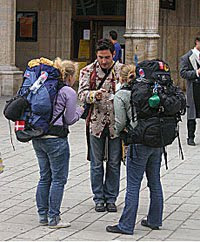
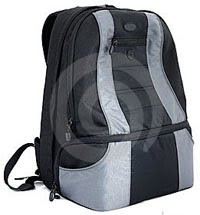
Ransel atau carrier yang digunakan para backpacker dalam melakukan perjalanan. Dapat dibilang backpack adalah "rumah" para backpacker yang sedang melakukan perjalanan. Tujuan penggunaan backpack adalah agar memudahkan mobilitas, tidak perlu menggeret-geret koper yang berat, terutama karena backpacking adalah kegiatan yang membutuhkan mobilitas tinggi (contoh: naik turun kendaraan umum, naik tangga di penginapan yang tidak memiliki fasilitas lift, dsb).

Backpacker:
Orang yang melakukan kegiatan backpacking dan berorientasi kepada low budget traveling atau melakukan perjalanan dengan dana terbatas.

Backpacking:
Kegiatan melakukan perjalanan dengan menggunakan backpack. Pada umumnya yang dicari dalam kegiatan backpacking adalah mencari pengalaman dan unsur petualangan dalam mengeksplorasi suatu tempat. Lihat di sini untuk definisi "backpacking" yang lebih mendalam.

Budget travel:
Istilah lain dari backpacking, intinya adalah melakukan perjalanan dengan biaya terbatas tanpa mengurangi unsur bersenang-senang sekaligus mencari pengalaman.

Budget/Low-cost airlines:
Maskapai penerbangan yang memberikan harga ekonomis dalam penjualan tiket pesawatnya, oleh karena itu fasilitas yang diberikan biasanya amat terbatas, apalagi bila dibandingkan maskapai penerbangan konvensional lainnya. Beberapa low-cost airlines yang terkenal saat ini dan beroperasi di Indonesia adalah AirAsia, Jet Star, Tiger Airways, dan Cebu Pacific.


C
Career BreakCareer break:
Periode istirahat (time out period) dari pekerjaan. Career break umum ditemukan di UK dan US, dan sayangnya career break ini masih tidak umum dilakukan di Indonesia. Secara tradisional, career break digunakan untuk para ibu dalam membesarkan anak-anaknya, namun dewasa ini banyak digunakan untuk pengembangan pribadi/profesional, salah satunya adalah untuk melakukan perjalanan. Biasanya jangka waktu career break bervariasi, mulai dari sebulan hingga dua tahun. Sumber: Wikipedia

Couchsurfing:
CouchSurfing adalah jaringan pertemanan yang memiliki komunitas dengan minat yang sama, yakni traveling. CouchSurfing merupakan salah satu cara untuk berkeliling dunia dengan cara hemat dan seru. Para pejalan dapat menginap dengan gratis di rumah para couchsurfer, timbal baliknya adalah Anda mendapatkan teman warga lokal dan pengalaman hidup seperti warga lokal. Selain CouchSurfing, adapula Hospitality Club yang memiliki konsep serupa.


D
DaypackDaypack:
Daypack adalah ransel yang ukurannya lebih kecil dari backpack/carrier. Digunakan para backpacker untuk perjalanan sehari-hari berkeliling kota. Tinggalkan backpack Anda yang berat di hostel, dan gunakan daypack untuk kemudahan mobilitas!


F
Flashpacker:
Secara gamblang, perbedaan flashpacker dan backpacker adalah di bagian anggaran perjalanan. Flashpacker lebih fleksibel dan tidak ketat dalam mengatur anggaran untuk mendapatkan kemudahan dan kenyamanan yang lebih, serta juga untuk mendapatkan lebih banyak pengalaman. Lihat di sini untuk definisi "flashpacker" yang lebih mendalam.


G

Gap YearGap year:
Konsep gap year serupa dengan career break. Namun pelakunya adalah pelajar yang baru lulus sekolah/kuliah dan menyediakan waktu lowong untuk melakukan perjalanan sebelum memulai sekolah lagi ataupun sebelum memasuki dunia kerja. Gap year ini amat umum dan dianjurkan di negara Barat. Destinasi perjalanan yang umum ditempuh adalah berkeliling Eropa atau Asia Tenggara. Sumber: Wikipedia

Globetrotter/globehopper:
Istilah untuk para pejalan yang seringkali melakukan perjalanan keliling dunia ke banyak negara.


H
HostelHostel:
Penginapan dengan harga ekonomis yang biasanya digunakan oleh para backpacker. Tipe kamar hostel ada dua jenis: private dan dormitory. Pada umumnya hostel memiliki ruang bersama dan para pejalan dapat memasak sendiri. Living in a Hostel memiliki penjelasan yang cukup informatif mengenai jenis penginapan ini.


I

Independent travel:
Perjalanan independen adalah perjalanan tanpa menggunakan bantuan biro travel. Dari perencanaan perjalanan hingga perencanaan dana dilakukan sendiri oleh pejalan. Biasanya dilakukan oleh para pejalan yang menginginkan waktu lebih banyak dalam mengeksplor suatu tempat. Perjalanan independen ini umum dilakukan oleh para backpacker.


R
RTW TripRTW trip:
Singkatan dari Round-The-World trip, yakni perjalanan mengelilingi dunia.


S
Sabbatical
:
Serupa dengan career break dan gap year, sabbatical adalah periode istirahat dari aktivitas wajib sehari-hari untuk fokus dalam mengembangkan diri secara pribadi maupun profesional.


T
Travel BugTravel bug:
Istilah yang artinya adalah dorongan kuat untuk terus melakukan perjalanan dan mengeksplor tempat-tempat baru.


V
Vagabond
:
Orang yang seringkali melakukan perjalanan dan nomaden, yakni tidak memiliki tempat tinggal yang tetap karena seringnya bepergian.


W
Wanderlust
:
Serupa dengan travel bug, wanderlust adalah dorongan kuat untuk terus melakukan perjalanan dan mengeksplor tempat-tempat baru.


+ + + + +

Ada yang ingin menambahkan? Oh ya, karena glosarium ini hanya berdasarkan pemahaman saya, harap maklum ya apabila ada kesalahan dan saya harapkan koreksinya. :)

And now I feel like I have been bitten by the travel bug, oh can't wait for the next adventure!
---

Thursday, August 26, 2010

15 Tanda Anda Terkena Penyakit Backpacker Kronis

Backpacking Addict
  1. Anda selalu membawa cadangan botol minum di dalam tas Anda,
  2. Anda mengoleksi peta-peta yang disediakan gratis (termasuk peta Dufan dan semacamnya),
  3. Saat berada di toko buku, Anda langsung mengarah ke bagian Travel,
  4. Setiap hari Anda memeriksa promosi tiket pesawat & akomodasi murah di internet, mulai dari hotel di Jakarta hingga hotel murah di Bali,
  5. Anda merasa gelisah apabila selama 6 bulan ke depan belum ada rencana bepergian,
  6. Anda merasa seperti bermain online game saat booking tiket promo,
  7. Anda sudah memiliki cadangan beberapa itinerary perjalanan ke beberapa destinasi, walaupun tiket belum ada di tangan,
  8. Semua teman Anda bertanya dan meminta bantuan Anda saat mereka ingin bepergian ke tempat yang asing,
  9. Setiap kali pulang bepergian ke suatu tempat setidaknya Anda memiliki satu teman baru,
  10. Memajang foto-foto destinasi yang belum didatangi di kamar tidur Anda dan memandangi mereka sebelum tidur,
  11. Koleksi buku Anda kebanyakan merupakan travel guide, kumpulan catatan perjalanan para pejalan, dan semuanya berkaitan dengan jalan-jalan,
  12. Anda dapat mengepak barang-barang ke dalam backpack Anda cukup dengan waktu 30 menit atau kurang,
  13. Hobi menggunakan transportasi umum di mana pun Anda berada,
  14. Anda menguasai kata-kata sapaan dalam berbagai macam bahasa,
  15. Kondisi keuangan Anda seringkali menipis bukan karena biaya hidup, namun karena sering kalap membeli tiket promo.
Merasa familiar?


Catatan penulis: Artikel di atas memiliki beberapa tautan dengan tujuan advertorial sebagai bentuk support terhadap situs TBN.

Monday, August 2, 2010

Pulau Biawak, Atol di Laut Jawa

Posting tamu oleh : Ipung Mbuh

Catatan perjalanan ini berkisah mengenai pulau yang disebut Pulau Biawak. Sesuai dengan namanya, di pulau ini banyak terdapat Biawak (Varanus salvator), dari yang berukuran sedang sampai berukuran besar, berkeliaran di sepanjang pantainya. Selain disebut Pulau Biawak, pulau ini juga biasa dikenal dengan sebutan Pulau Menyamak dan Pulau Byompis.


Pulau Biawak.
Foto (c) Ipung Mbuh, 2010


Tentang Pulau Biawak
Pulau Biawak terletak di sebelah utara Pulau Jawa bagian tengah. Masuk wilayah administratif Kabupaten Indramayu, Jawa Barat dan terletak di koordinat 06°56’022’’ LS dan 108°22’015’’ BT. Dengan luas daratan ±742 Ha yang sebagian besar terdiri dari hutan bakau, pulau Biawak menjadi kawasan konservasi endemik burung-burung liar dan (tentu saja) bagi biawak-biawak yang ada disana.

Kepulauan Biawak sebenarnya terdiri dari 3 (tiga) kepulauan besar yaitu Pulau Gosong, Pulau Candikian dan Pulau Biawak itu sendiri.

Selain sebagai kawasan konservasi, Pulau Biawak juga merupakan pulau yang penting bagi jalur pelayaran domestik karena terdapat menara mercusuar peninggalan Belanda yang masih aktif memandu kapal-kapal besar dan kecil hingga saat ini.

Bersama dengan 10 (sepuluh) orang rekan perjalanan yang berasal dari Jakarta dan Indramayu, kami menuju kesana. Weekend trip selama tiga hari, dari hari Jumat (malam) sampai Minggu (malam), pulang pergi dari Jakarta.

Budget dan Jenis Perjalanan
Perjalanan kami ini ngeteng, sambung menyambung kendaraan umum dari Jakarta sampai Indramayu lanjut ke Pulau Biawak, dengan grade moderate ekonomis. Budget selama perjalanan untuk transportasi, akomodasi dan lain-lain berkisar kurang dari Rp 500.000,- (estimasi dari Jakarta).

Informasi Kontak

Selama di Indramayu kami didampingi oleh Mas Turidi (08129648931) dan Mas Wawan (08179070867), fotografer-fotografer lepas Indramayu yang concern dengan budaya dan potensi wisata di Indramayu.

Kami menyewa kapal dari Pak Darji (085929029394), nelayan ikan tempatan yang sehari-hari melaut dari pelabuhan Karangsong. Kita dapat bertanya kepada Pak Darji mengenai kondisi cuaca, gelombang laut dan hal-hal teknis lainnya terkait perjalanan laut ke pulau Biawak.


Kapal Pak Darji, kapal sewaan kami menuju Pulau Biawak.
Foto (c) Ipung Mbuh, 2010

Transportasi

Seperti dijelaskan di atas, trip kali ini kita menggunakan kendaraan umum yaitu:
  1. Bis Jakarta (Jatibening) – Indramayu (Perempatan Celeng): Rp 25.000 - 35.000,-; 5 Jam
  2. Ojek Perempatan celeng – TPI (Tempat Pelelangan Ikan) Karangsong: Rp 20.000,-; 30 menit
  3. Kapal Nelayan (medium) Karangsong – Pulau Biawak, kapasitas (10-15 orang): Rp 1.800.000,- (PP) ; 4 jam

Nelayan di kapal Pak Darji yang sedang menyiapkan makan siang kami.
Foto (c) Ipung Mbuh, 2010

Objek Wisata
Ada beberapa objek wisata yang cukup menarik di dalam pulau ini:

(1) Hutan Bakau dan Pinus
Pulau Biawak memiliki hutan bakau yang masih cukup lebat. Selain bakau, pinus juga cukup banyak ditemukan di tengah pulau yang merupakan tempat berkumpulnya burung-burung. Terdapat tangga kayu yang pada awalnya digunakan untuk bisa masuk ke dalam hutan bakau tanpa perlu masuk ke rawa-rawa, namun kondisi pada saat kami datang, tangga kayu tersebut sudah rapuh dan rusak cukup parah.


Kawasan Konservasi Pulau Biawak.
Foto (c) Ipung Mbuh, 2010

(2) Biawak
Biawak yang merupakan satwa endemik pulau ini memiliki penciuman yang tajam. Apabila kita ingin melihatnya, kita bisa meletakkan ikan atau daging di dermaga dan dalam waktu yang tak terlalu lama, biawak-biawak akan berdatangan. Biawak-biawak di pulau ini tidak takut terhadap manusia. Mereka cukup berani mendekat, namun kita tetap perlu mewaspadai sabetan ekor biawak tersebut.


Satwa penghuni Pulau Biawak.
Foto (c) Ipung Mbuh, 2010

(3) Mercusuar Pulau Biawak
Mercusuar setinggi 65 meter yang ada di Pulau Biawak didirikan pada jaman penjajahan Belanda oleh ZM Willem pada tahun 1872. Arsitektur Mercusuar hampir sama dengan Mercusuar yang ada di Bangka Belitung dan Anyer Tangerang. Mercusuar tersebut masih digunakan hingga saat ini. Dengan anak tangga melingkar yang cukup kecil dan berkarat di dalam mercusuar, perlu kehati-hatian ekstra untuk bisa menaikinya. Setelah sampai di puncak mercusuar, pemandangan lepas pantai dan dermaga pulau Biawak bisa terlihat.


Mercusuar Pulau Biawak dan pintu masuknya.
Foto (c) Ipung Mbuh, 2010


Pemandangan dari atas mercusuar.
Foto (c) Ipung Mbuh, 2010

(4) Pulau Gosong
Pulau Gosong ini sebenarnya adalah sebuah atol berbentuk cincin dengan kepala cincinnya merupakan daratan kecil yang ada di atas permukaan laut, sedang tengah-tengah cincin adalah karang dangkal yang tenggelam di permukaan laut.

Berjarak sekitar 1 (satu) jam perjalanan berperahu dari Pulau Biawak, Pulau Gosong ini sebenarnya menarik untuk digunakan berenang dan snorkeling. Sayangnya, karang di Pulau Gosong ini sudah banyak yang rusak, yang konon kabarnya akibat pengerukan untuk pembangunan Pertamina Unit Pengolahan VI Balongan Exor I sekitar tahun 1980-an. Selain Pulau Gosong, terdapat pula Pulau Candikian, yang sayangnya tidak sempat kami datangi.


Indahnya sunrise di Pulau Biawak.
Foto (c) Ipung Mbuh, 2010

TIPS:
  • Apabila merencanakan weekend trip, sebaiknya berangkat dari Jakarta lebih awal (20.00 WIB) agar bisa sampai di pelabuhan sekitar tengah malam lalu dilanjut ke Pulau Biawak, agar pagi mendapatkan pemandangan matahari terbit pada saat di atas kapal ketika menuju ke Pulau Biawak.
  • Akan lebih baik bila menunggu bis ke Indramayu dari terminal bayangan Pintu Tol Jatibening (24 jam). Hal ini dikarenakan bis ke Indramayu dari Terminal Kampung Rambutan sudah tidak beroperasi selepas pukul 22.00 WIB dan ngetem-nya lama-pun.
  • Karena Pulau Biawak merupakan pulau yang dikelilingi karang, pada malam hari biasanya arus surut, sehingga perahu yang ditambatkan di dermaga menjadi terdampar dan baru bisa keluar dermaga setelah air pasang (sekitar 12.00 WIB). Hal ini akan mempengaruhi waktu kepulangan kita sehingga perlu diperhatikan lebih lanjut.
  • Setelah dari Pulau Biawak, lebih baik menyewa angkot (Rp 75.000,-) dari Dermaga Karangsong untuk berkeliling kota Indramayu, sebelum pulang ke Jakarta. Ada beberapa obyek wisata yang cukup menarik di Indramayu seperti kota tua, wisata kuliner di Sport Center (semacam alun-alun tempat berkumpul warga) dan lain-lain.
  • Kalau anda cukup berani, ternyata di Indramayu banyak yang menjual Sate Biawak...!!!
  • Jangan makan pilus D*a Kelinci kalau sedang naik kapal. Potensial muntah!
  • Ombak dari Indramayu ke Pulau Biawak lumayan tinggi.
  • Hati-hati, bis Pantura terkenal rawan copet.
+ + + + +

REFERENSI
- http://id.wikipedia.org/wiki/Kepulauan_Biawak
- http://dhamadharma.wordpress.com/2010/03/13/wisata-pulau-biawak-indramayu/
- http://liburan.info/content/view/12/43/lang,indonesian/
- http://wikimapia.org/#lat=-6.1234869&lon=108.401413&z=11&l=0&m=w


Profil Kontributor
Ipung Mbuh, backpacker pemula berlatar belakang pendidikan hukum dengan haluan ideologi moderat ini sangat menyukai kopi dan sudah bisa lepas dari rokok (kecuali kalo nge-trip). Sementara ini sedang memburuh di ibukota. Kumpulan tulisan serta foto Ipung lainnya dapat diikuti di LembaranPung.

 
Design by Free WordPress Themes | Bloggerized by Lasantha - Premium Blogger Themes | Best WordPress Web Hosting